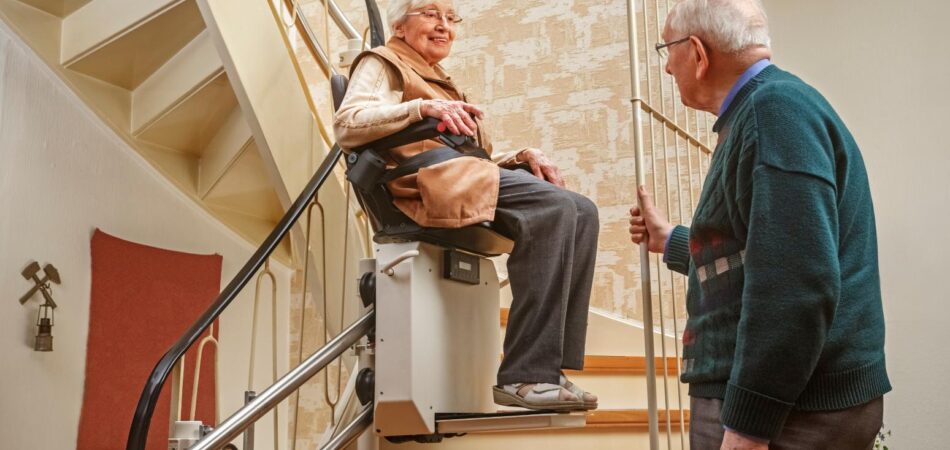
Growing older does not have to mean leaving the home you love. Across Long Island, many homeowners are choosing to make their homes safer and more accessible instead of moving. For those with multi-story homes, a stairlift can provide greater independence while reducing the risk of falls.
Quick Answer
Stairlifts help older adults remain safely in their homes by making it easier to move between floors without climbing stairs. For Long Island homeowners, they offer a practical solution that supports independence, improves daily comfort, and allows families to adapt existing homes instead of relocating. A professionally installed stairlift can make a multi-level home more accessible for years to come.
What Long Island Readers Should Know
- Many homes throughout Nassau County and Suffolk County were built with multiple levels, making stair access a growing concern as homeowners age.
- A stairlift can help reduce the risk of stair-related falls while allowing homeowners to continue using every level of their home.
- Aging in place often costs less and causes less disruption than moving into a new home or assisted living community.
- Seasonal weather, including snow and icy conditions on Long Island, can make staying safely indoors even more important for older adults.
- Modern stairlifts can be installed on both straight and curved staircases with minimal changes to the home.
Why This Matters Locally
Aging in place has become an increasingly important goal for homeowners throughout Wantagh and surrounding Long Island communities. Many neighborhoods feature split-level, Cape Cod, colonial, and raised ranch homes with staircases that are central to daily living. Whether someone lives near Jones Beach State Park, in Levittown, Seaford, Bellmore, Massapequa, or Merrick, navigating stairs can become more challenging over time.
Long Island Stairlifts helps local homeowners find practical accessibility solutions that allow them to remain comfortable in familiar surroundings. After this introduction, we focus on educating homeowners so they can make informed decisions about their options.
Local Field Observations
One common observation we see across Long Island is that homeowners often begin looking for accessibility solutions after a minor fall, knee replacement, or changes in balance. Others plan ahead before mobility becomes a daily challenge.
Many families also want aging parents to stay close to children and grandchildren while remaining independent in their own homes. Installing a stairlift is frequently one of the first modifications considered because it addresses one of the home’s biggest physical barriers.
How Stairlifts Support Aging in Place
Stairlifts support aging in place by allowing homeowners to safely access every floor without climbing stairs. Rather than limiting daily activities to one level of the house, users can continue enjoying bedrooms, laundry rooms, finished basements, or home offices located upstairs or downstairs.
Benefits include:
- Greater independence
- Reduced risk of falls
- Increased confidence using the home
- Less physical strain on knees and hips
- Continued use of the entire home
- Peace of mind for family members
For many older adults, maintaining familiar routines contributes to overall quality of life.
Warning Signs That a Stairlift May Help
Several warning signs indicate it may be time to consider a stairlift. Recognizing these changes early can help prevent injuries and improve daily comfort.
Watch for signs such as:
- Holding tightly to stair railings
- Avoiding trips upstairs
- Pain when climbing stairs
- Shortness of breath after using stairs
- Balance concerns
- Recovering from joint replacement surgery
- Carrying laundry or groceries becoming difficult
- Family members expressing concern about stair safety
Addressing these issues before an accident occurs often provides the best outcome.
When to Call a Professional
You should contact a stairlift professional when stairs begin limiting safe movement inside your home. While homeowners can monitor mobility changes, selecting and installing the proper stairlift requires professional evaluation.
An assessment can determine:
- Whether the staircase is straight or curved
- Appropriate weight capacity
- Available mounting locations
- Power requirements
- Safety features that fit the user’s needs
Professional installation also helps ensure the equipment operates correctly and safely.
Common Reasons Long Island Homeowners Choose Stairlifts
Several local factors make stairlifts especially valuable across Long Island.
Multi-Level Homes
Many neighborhoods feature homes with second-story bedrooms or basement living areas that require daily stair use.
Aging Population
More residents are choosing to remain in their longtime homes rather than relocate after retirement.
Recovery After Surgery
Joint replacements and mobility-related medical conditions often create temporary or permanent challenges with stairs.
Family Caregiving
Adult children frequently help aging parents remain independent while improving household safety.
Prevention and Home Safety Tips
Simple planning can help homeowners stay safer while deciding whether a stairlift is right for them.
Helpful practices include:
- Keep stairways well lit.
- Remove loose rugs near staircases.
- Install sturdy handrails if needed.
- Avoid carrying heavy loads while using stairs.
- Schedule a mobility assessment if climbing stairs becomes uncomfortable.
- Consider accessibility upgrades before an emergency occurs.
Planning ahead usually provides more options than waiting until mobility becomes severely limited.
What Results Can You Expect?
Most homeowners experience greater confidence and independence after installing a stairlift. Everyday activities become easier because every floor of the home remains accessible.
Although individual experiences vary, many users appreciate:
- Safer daily movement
- Less joint discomfort
- Reduced dependence on family members
- Continued enjoyment of their existing home
- Improved confidence using stairs
A stairlift cannot treat medical conditions, but it can make navigating the home significantly easier.
Common Mistakes to Avoid
Avoiding common mistakes helps homeowners choose the right accessibility solution.
Mistake: Waiting until after a serious fall.
Consequence: Recovery becomes more difficult while accessibility needs become urgent.
Better Approach: Explore options as soon as stairs begin feeling challenging.
Mistake: Choosing equipment without a professional assessment.
Consequence: The stairlift may not fit the staircase or user’s needs.
Better Approach: Schedule an in-home evaluation.
Mistake: Assuming moving is the only option.
Consequence: Homeowners may overlook a simpler accessibility solution.
Better Approach: Compare home modifications before making major housing decisions.
A Common Long Island Scenario
A homeowner in Nassau County begins avoiding the upstairs bedroom after knee replacement surgery. Family members notice increased difficulty climbing stairs and worry about falls. Rather than moving immediately, the homeowner explores a stairlift that restores safe access to the second floor and allows daily routines to continue with greater confidence.
Situations like this are common throughout Long Island as homeowners look for practical ways to remain in familiar surroundings.
Related Accessibility Solutions
Stairlifts are often part of a broader accessibility plan.
Depending on individual needs, homeowners may also consider:
- Straight stairlift installation
- Curved stairlift installation
- Stairlift maintenance
- Stairlift repair
- Accessibility consultations
Every home is different, making professional recommendations valuable.
Comparing Your Options
| Option | Advantages | Considerations |
|---|---|---|
| Continue using stairs | No immediate investment | Fall risk may increase over time |
| Move to a single-story home | Eliminates interior stairs | Moving can be costly and disruptive |
| Install a stairlift | Maintains independence while staying in your home | Requires professional installation |
Serving Wantagh and Nearby Communities
We proudly help homeowners in Wantagh and throughout Nassau County and Suffolk County. We also serve nearby communities including Seaford, Bellmore, Levittown, Massapequa, Merrick, East Meadow, and surrounding Long Island neighborhoods.
The Cost of Waiting
Delaying accessibility improvements can increase safety risks over time. As mobility changes, everyday activities may become more difficult, potentially leading to falls, reduced independence, or the need to limit access to portions of the home.
Planning ahead often provides more choices and less stress than making decisions during an emergency.
Frequently Asked Questions
Are stairlifts a good investment for homeowners in Wantagh?
Yes. Stairlifts allow many homeowners in Wantagh to remain safely in their existing homes while continuing to use multiple levels comfortably. They can provide both convenience and peace of mind.
Can stairlifts be installed in older Long Island homes?
Yes. Many older homes across Long Island have staircases that can accommodate modern stairlift systems. A professional evaluation determines the best installation approach.
How long does stairlift installation usually take?
Most installations are completed relatively quickly after equipment selection, although timing depends on the staircase design and product availability.
Do stairlifts work on curved staircases?
Yes. Curved stairlifts are designed specifically for staircases with turns, landings, or unique layouts commonly found throughout Nassau County and Suffolk County.
Will a stairlift damage my staircase?
No. Professionally installed stairlifts are generally mounted to the stair treads rather than the wall, minimizing permanent changes to the home.
When should Long Island homeowners begin considering a stairlift?
The best time is when climbing stairs first becomes uncomfortable or unsafe. Planning early gives homeowners more flexibility and helps reduce the likelihood of falls.
Helping Long Island Homeowners Stay Independent
Remaining in your own home is an important goal for many older adults. With the right accessibility solutions, homeowners throughout Long Island can continue enjoying the comfort, familiarity, and independence that comes from aging in place.
Stay Safe and Comfortable in Your Home
We’re here to help you explore stairlift options that fit your home, your mobility needs, and your long-term goals.