For homeowners in Wantagh, NY, making a property safer and more accessible can be just as important as maintaining its appearance and market value. Many homes throughout Nassau County have multiple levels, creating challenges for residents who want to age in place or accommodate family members with limited mobility. Installing a stairlift can improve everyday accessibility, but how does that investment affect a home’s resale value?
Quick Answer: A stairlift can make a home more appealing to buyers who prioritize accessibility, particularly older adults, individuals with mobility limitations, and multigenerational households. However, a stairlift does not automatically increase a property’s appraised value or selling price. Its impact depends on buyer demand, installation quality, the home’s layout, and whether the equipment can be removed without significant alterations. For Wantagh homeowners, the greatest benefit may be improved usability rather than a measurable increase in resale value.
What Wantagh Homeowners Should Know
-
Accessibility can influence buyer interest. A stairlift may appeal to buyers seeking a home that accommodates aging family members or mobility challenges.
-
Property value and everyday usefulness are different. A stairlift can improve a home’s functionality without necessarily increasing its appraised value.
-
Nassau County’s multilevel homes present accessibility challenges. Stairlifts can make upper-level bedrooms and other living spaces easier to reach.
-
Professional installation matters. Properly fitted equipment can help preserve staircase functionality and reduce unnecessary alterations.
-
Removable equipment offers flexibility. Homeowners may be able to remove a stairlift before selling if prospective buyers prefer an unobstructed staircase.
Why Stairlifts Matter in the Wantagh Real Estate Market
Stairlifts matter in the Wantagh real estate market because they can make multilevel homes more practical for residents who have difficulty using stairs. Although accessibility improvements do not guarantee higher resale prices, they may help certain buyers view a property as a suitable long-term living option.
Wantagh is an established residential community in the Town of Hempstead, with housing that includes Cape Cod-style homes, ranches, split-level properties, and traditional two-story houses. Depending on the floor plan, essential rooms may be separated by stairs.
For residents near Wantagh Park, the Wantagh State Parkway, and surrounding residential neighborhoods, moving to a single-level home may not be the preferred solution when mobility needs change.
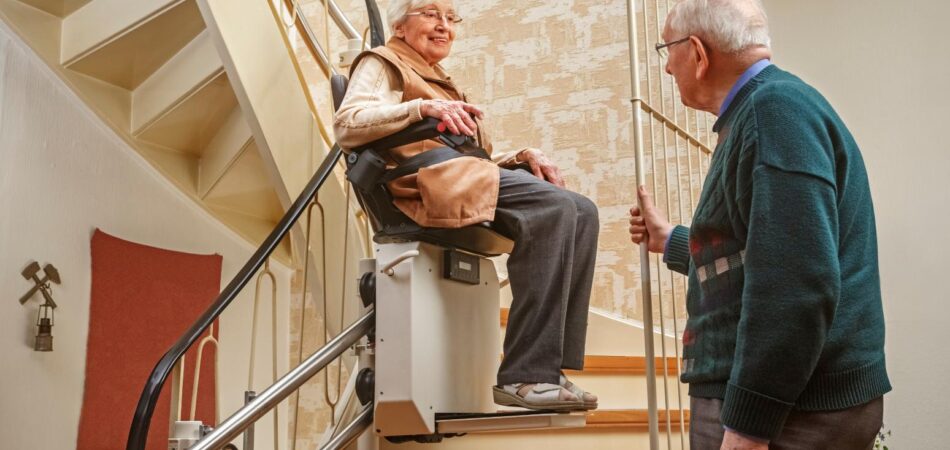
A stairlift can help residents continue using their existing homes while reducing the physical effort required to move between floors.
At Long Island Stairlifts, we understand that homeowners must balance accessibility, comfort, and long-term property considerations. We encourage evaluating the staircase, household needs, and potential future plans before choosing an installation.
Local Data and Real Estate Considerations
There is no established percentage by which a stairlift increases residential property values in Wantagh, NY. Real estate appraisals typically consider comparable property sales, location, condition, layout, and features that contribute to market demand. A stairlift’s contribution may be limited when comparable sales do not demonstrate a measurable premium for accessibility equipment.
For homeowners considering accessibility improvements, several local real estate factors deserve attention.
Housing layout: Split-level and two-story properties may benefit more directly from stairlift access than single-story homes.
Buyer demographics: Households planning for aging in place or accommodating relatives with mobility limitations may place greater personal value on accessibility.
Installation condition: A well-maintained stairlift that does not unnecessarily obstruct the staircase may be easier for prospective buyers to accept.
Market expectations: Buyers comparing properties in Wantagh, Seaford, Bellmore, and nearby communities may prioritize different features depending on their household needs.
Homeowners seeking a specific resale estimate should consult a local real estate professional or qualified appraiser rather than assuming that installation costs will be recovered through a future sale.
How Stairlifts Can Affect Property Appeal and Everyday Living
Stairlifts can improve property appeal by making upper floors accessible to people who cannot comfortably or safely climb stairs. Their strongest value is often practical, allowing residents to use more of their home without undertaking major renovations or relocating.
Supporting Aging in Place
Older homeowners may want to remain close to familiar neighborhoods, family members, healthcare providers, and community services.
For residents of Wantagh and surrounding South Shore communities, a stairlift can help make that goal more realistic when stairs become a barrier.
Accommodating Multigenerational Households
A household with older parents, adult children, or family members recovering from medical procedures may benefit from improved access between floors.
A stairlift can increase the usability of bedrooms and shared living spaces without requiring a permanent change to the home’s overall layout.
Preserving Existing Living Space
Converting a multilevel home into a single-level living arrangement can involve substantial remodeling.
A stairlift may offer a less disruptive alternative when the staircase is suitable and the user can safely transfer onto and off the equipment.
Potential Resale Limitations
Not every buyer views a stairlift as a desirable feature. Some may see equipment they do not need, while others may appreciate the added accessibility.
This is why stairlift installation should primarily be evaluated as a home accessibility investment rather than a guaranteed real estate improvement.
Warning Signs That a Home May Need a Stairlift
A Wantagh homeowner may benefit from considering a stairlift when ordinary staircase use becomes difficult, exhausting, or unsafe. Recognizing these changes early can help households explore accessibility options before daily movement between floors becomes a significant obstacle.
Common warning signs include:
-
Frequent difficulty climbing stairs: A resident needs repeated breaks while moving between floors.
-
Dependence on handrails: Someone must pull heavily on a railing to navigate the staircase.
-
Avoiding upstairs rooms: Bedrooms, bathrooms, or storage areas are used less often because stairs are difficult.
-
Balance concerns: A resident feels unstable or experiences near-falls on the staircase.
-
Joint discomfort: Knee, hip, or other mobility limitations make stair climbing painful.
-
Assistance from family members: Someone regularly needs physical help to use the stairs.
-
Planning for future mobility needs: A homeowner wants to prepare the property for changing physical abilities.
These signs do not automatically mean a stairlift is appropriate. The person’s mobility, transfer ability, staircase dimensions, and safety requirements should all be assessed.
When to Consult a Stairlift Professional
A stairlift professional should be consulted when a homeowner needs to determine whether a staircase can accommodate equipment safely and which configuration best suits the household. In Wantagh, this assessment is especially useful for split-level homes, narrow stairways, and staircases with turns or landings.
During a professional evaluation, important considerations include staircase width, available clearance, mounting locations, power requirements, and access at the top and bottom of the stairs.
Homeowners can measure their staircases and identify mobility concerns beforehand, but equipment selection and installation should not rely on measurements alone.
We recommend discussing both present needs and potential future changes before making a decision.
Common Reasons Wantagh Homeowners Consider Stairlifts
The most common reasons for considering a stairlift include aging in place, mobility limitations, recovery from an injury or medical procedure, and a desire to avoid extensive remodeling. In Nassau County homes with multiple levels, these needs can directly affect how comfortably residents use their living spaces.
Aging in place: Homeowners may prefer modifying their existing residence instead of moving to a smaller or single-story property.
Changing mobility: Arthritis, reduced strength, or balance difficulties can make stairs increasingly challenging.
Temporary accessibility needs: Some residents may need stair assistance during recovery, although the appropriate solution depends on expected recovery time and physical ability.
Multilevel floor plans: A split-level or two-story layout can create access challenges even when the rest of the home is comfortable and functional.
Long-term household planning: Families may want a property that can accommodate changing needs without major structural changes.
Stairlift Maintenance and Property Preservation
Regular stairlift maintenance helps protect equipment reliability, maintain safe operation, and preserve the appearance of the staircase. For Wantagh homeowners concerned about future resale, keeping the installation clean, functional, and properly serviced can also reduce the likelihood that buyers will view it as neglected equipment.
Practical maintenance steps include:
-
Keeping the stairlift rail and surrounding staircase clear of objects.
-
Checking for unusual sounds or changes in movement.
-
Following the manufacturer’s cleaning and maintenance instructions.
-
Monitoring battery and charging indicators where applicable.
-
Scheduling professional service when the equipment displays faults or operates inconsistently.
-
Keeping installation paperwork and maintenance records for future reference.
Long Island’s humid summers and changing seasonal temperatures make it sensible to monitor equipment conditions, particularly in spaces where moisture or temperature fluctuations may occur.
Homeowners should not attempt electrical repairs, safety-system adjustments, or structural modifications without appropriate professional assistance.
What Results Can Homeowners Realistically Expect?
A properly selected stairlift can improve access between floors, reduce the physical effort of climbing stairs, and help residents continue using their existing living spaces. For Wantagh homeowners, these practical benefits may be more immediate and predictable than any effect on future property value.
Depending on the staircase and equipment selected, homeowners may also benefit from:
-
Greater independence when moving between levels.
-
Reduced reliance on family assistance for routine stair travel.
-
Continued use of upstairs bedrooms and bathrooms.
-
Less disruption than extensive accessibility remodeling.
-
The possibility of removing the equipment when household needs change.
A stairlift does not eliminate every fall risk or make a home fully accessible. Safe use still depends on the user’s abilities, correct operation, and suitable home conditions.
Common Mistakes That Can Affect Stairlift Value
Homeowners can reduce unnecessary expenses and preserve property appeal by avoiding stairlift decisions that overlook staircase dimensions, future household needs, or installation quality. These mistakes are particularly relevant when preparing a multilevel Wantagh home for long-term occupancy or eventual resale.
Mistake 1: Assuming a stairlift guarantees a higher selling price.
Consequence: Homeowners may expect to recover the full installation cost during resale.
Better approach: Consider accessibility and quality of life the primary benefits, with resale appeal as a possible secondary advantage.
Mistake 2: Choosing equipment without evaluating the staircase.
Consequence: Poorly matched equipment may create clearance issues or require avoidable adjustments.
Better approach: Obtain a professional staircase assessment before selecting a model.
Mistake 3: Ignoring maintenance requirements.
Consequence: Neglected equipment can become less reliable and less attractive to prospective buyers.
Better approach: Follow manufacturer recommendations and maintain service documentation.
Mistake 4: Overlooking future removal.
Consequence: A homeowner may face unexpected costs when preparing the property for sale.
Better approach: Discuss mounting methods, potential removal, and restoration requirements before installation.
Common Local Scenario: A Split-Level Home in Wantagh
A common local scenario involves a family living in a split-level home where bedrooms are located above the main living area. An older household member begins experiencing difficulty climbing the stairs but wants to remain in the home.
The family considers relocating to a ranch-style property but also explores installing a stairlift.
A suitable stairlift could make the upper floor easier to access without requiring the household to move or undertake a major renovation.
Years later, if the property is listed for sale, the family can discuss whether retaining or removing the stairlift makes more sense for prospective buyers.
This hypothetical example illustrates why accessibility investments should be evaluated for both immediate usefulness and future flexibility.
Stairlift Solutions for Different Wantagh Home Layouts
Different stairlift solutions address different staircase configurations, making proper equipment selection essential for accessibility and property preservation. Homeowners in Wantagh should consider whether their stairs are straight, curved, interrupted by landings, or exposed to outdoor conditions before deciding which solution is appropriate.
Straight Stairlifts
Straight stairlifts are designed for staircases without turns or intermediate curves. They may be suitable for conventional two-story layouts with a continuous straight staircase.
Curved Stairlifts
Curved stairlifts use rails designed to follow staircases with turns, bends, or intermediate landings. They can be useful in homes with more complicated floor plans, although installation and removal considerations may differ from straight models.
Outdoor Stairlifts
Outdoor stairlifts are designed for suitable exterior stairways and require equipment rated for outdoor exposure.
In coastal-influenced South Shore conditions, material durability, moisture protection, and manufacturer maintenance requirements deserve particular attention.
Professional Stairlift Installation
Correct installation helps ensure the equipment fits the staircase, operates as intended, and meets applicable installation and safety requirements.
At Long Island Stairlifts, we encourage homeowners to consider how each solution affects access, household comfort, and the existing staircase.
Comparing Stairlift Installation With Other Accessibility Improvements
Stairlift installation is one of several ways to improve accessibility in a multilevel home, and the most appropriate choice depends on mobility needs, available space, budget, and future property plans. For Nassau County homeowners, comparing alternatives helps distinguish practical accessibility benefits from potential resale considerations.
| Accessibility option | Primary benefit | Property consideration |
|---|---|---|
| Straight stairlift | Assists travel along straight stairs | May be removable with limited restoration |
| Curved stairlift | Accommodates turns and landings | Custom rail configuration may affect removal costs |
| Home elevator | Provides vertical access for suitable users and layouts | Often requires substantial construction and expense |
| Main-floor living conversion | Reduces dependence on stairs | May change room use or require remodeling |
| Relocation to a single-story home | Eliminates the need for interior stair access | Involves moving and real estate transaction costs |
For residents who wish to remain in their existing homes, a stairlift may offer a practical balance between accessibility and the scale of property modifications.
Stairlift Considerations Across Wantagh and Nearby Communities
Stairlift needs in Wantagh and neighboring South Shore communities often reflect differences in staircase design, household mobility, and long-term housing plans. Homeowners in Seaford, Bellmore, Merrick, and Massapequa may encounter similar accessibility decisions when living in multilevel properties.
Across these Nassau County communities, the best solution depends on the individual home rather than its ZIP code alone.
The Cost of Delaying Accessibility Improvements
Delaying a necessary accessibility improvement can make daily movement between floors increasingly difficult and may limit how residents use their homes. For Wantagh households already experiencing mobility challenges, waiting can also increase dependence on others for routine access to bedrooms, bathrooms, or living areas.
However, rushing into a purchase without evaluating the user and staircase can create unnecessary costs.
The better approach is to identify the accessibility concern, obtain an appropriate assessment, and compare solutions before the situation becomes more restrictive.
Frequently Asked Questions About Stairlifts and Home Value in Wantagh, NY
1. Does installing a stairlift increase home value in Wantagh, NY?
Installing a stairlift does not guarantee an increase in home value in Wantagh, NY. It may make a property more appealing to buyers who need accessible living arrangements, but its effect on selling price depends on local demand, installation condition, and comparable sales. An appraiser can assess its potential market contribution.
2. Will a stairlift make my Nassau County home easier to sell?
A stairlift may make a Nassau County home more appealing to a specific group of buyers, especially those seeking accessibility for themselves or family members. However, other buyers may prefer the staircase without equipment. Its influence on marketability depends on the property, buyer preferences, and overall housing market conditions.
3. Can a stairlift be removed before selling a house in Wantagh?
Yes, many stairlifts can be removed before selling a home in Wantagh. Stairlift rails are commonly mounted to staircase treads rather than walls, although installation methods vary. Removal may leave mounting holes or require minor restoration. Homeowners should confirm removal requirements with a qualified professional before listing the property.
4. Are stairlifts suitable for split-level homes in Wantagh?
Stairlifts can be suitable for split-level homes in Wantagh when staircase dimensions, landings, and user needs allow safe installation. Some layouts may require multiple straight units or a customized curved system. A professional assessment can identify practical options and determine whether adequate clearance will remain for other staircase users.
5. Is a stairlift a better investment than moving to a ranch home in Nassau County?
A stairlift may be a more practical choice than moving when the existing home otherwise meets the household’s needs. Relocating involves property prices, transaction expenses, and moving costs. A stairlift involves equipment, installation, and maintenance expenses. The better financial decision depends on individual circumstances and long-term accessibility requirements.
6. Do stairlifts require permits in Wantagh, NY?
Permit and inspection requirements for stairlift installation in Wantagh depend on the equipment, proposed work, and applicable Town of Hempstead rules. Homeowners should verify current requirements with the appropriate local building authority before installation. Electrical modifications or other associated construction may introduce additional requirements.
7. How long does a residential stairlift last on Long Island?
A residential stairlift’s service life depends on equipment quality, frequency of use, maintenance, and environmental conditions. Proper care and timely repairs can help maintain reliable operation. Long Island homeowners should follow manufacturer recommendations and arrange professional evaluations when mechanical, electrical, or battery-related problems develop.
8. Should I keep my stairlift when listing my Wantagh home for sale?
Keeping a stairlift when listing a Wantagh home may be worthwhile if prospective buyers are likely to appreciate accessible features. If the equipment obstructs the staircase or does not fit buyer expectations, removal may be preferable. Consult a local real estate agent and compare removal costs before deciding.
9. Can stairlifts help homeowners age in place in Nassau County?
Yes, stairlifts can support aging in place in Nassau County by helping eligible residents access multiple floors without climbing stairs. They may allow homeowners to continue using existing bedrooms and bathrooms. However, overall suitability depends on mobility, transfer ability, staircase configuration, and other accessibility needs throughout the home.
10. What should I consider before installing a stairlift in Wantagh?
Before installing a stairlift in Wantagh, consider the staircase layout, user’s mobility, equipment dimensions, safety features, maintenance needs, installation requirements, and possible future removal. Homeowners concerned about resale should also consider how the equipment may affect buyer perceptions and whether alternative accessibility improvements would better meet their goals.
Making a Smart Accessibility Investment in Wantagh
A stairlift can be a meaningful home improvement even when its effect on real estate value cannot be measured in dollars. For homeowners in Wantagh, NY, the ability to move more comfortably between floors, remain in familiar surroundings, and adapt a property to changing needs can provide substantial everyday benefits.
At Long Island Stairlifts, we believe accessibility decisions should reflect the homeowner’s needs, the property’s layout, and long-term plans. Choosing the right equipment and installation approach can help maintain a functional home while preserving future options.
Improve Accessibility While Protecting Your Wantagh Home’s Long-Term Appeal
Explore stairlift solutions that support safer, more convenient access between floors while respecting your home’s layout and future plans.