
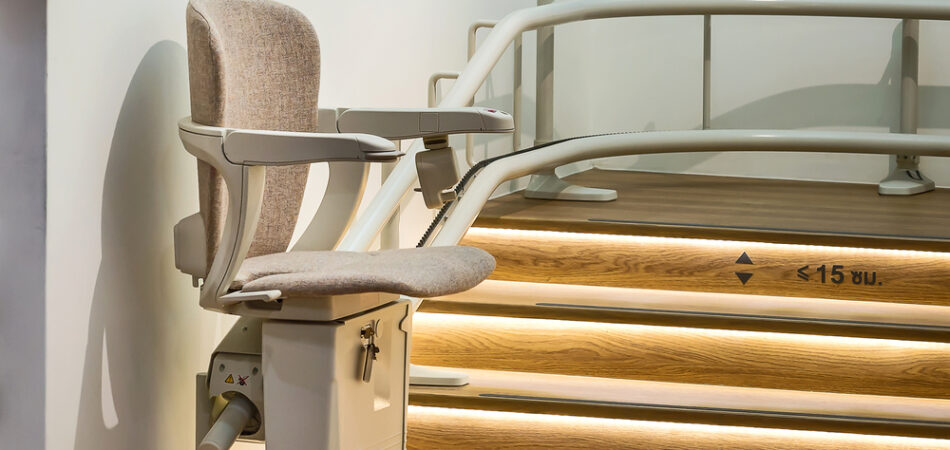
A stairlift can make everyday life easier by providing a safe, comfortable way to move between floors without navigating the stairs on foot. For homeowners across Long Island, especially older adults and individuals with limited mobility, keeping this equipment in good working condition is an important part of maintaining independence at home.
Like any mechanical device, a stairlift requires regular care to continue operating smoothly. Dust, debris, battery wear, and everyday use can gradually affect its performance. Fortunately, a few simple maintenance habits can help reduce unnecessary wear, prevent unexpected breakdowns, and extend the equipment’s useful life.
The best way to maintain a stairlift is to keep its track clean, charge its batteries properly, inspect accessible components for visible wear, and schedule professional servicing according to the manufacturer’s recommendations. These steps can help Long Island homeowners protect their investment while keeping their stairlift dependable.
Why Regular Stairlift Maintenance Matters
Regular stairlift maintenance helps prevent avoidable mechanical problems, supports reliable operation, and reduces the likelihood of unexpected interruptions. Because stairlifts rely on electrical and mechanical components working together, even minor issues can eventually affect how smoothly and safely the equipment operates.
For residents throughout Nassau County and Suffolk County, a functioning stairlift may be essential to accessing bedrooms, bathrooms, and other areas of a multistory home. An unexpected breakdown can create significant inconvenience, particularly for someone who depends on the equipment every day.
Routine maintenance offers several important benefits. It can help identify developing problems before they become more expensive repairs, reduce unnecessary strain on moving components, and support consistent performance.
Long Island’s seasonal conditions can also influence maintenance needs. Humid summer weather, winter heating, and temperature changes may affect the environment surrounding the equipment. Stairlifts installed in garages, enclosed porches, or other areas with greater temperature fluctuations may require additional attention, depending on the model.
At Long Island Stairlifts, we understand how important reliable accessibility equipment is for maintaining comfort and independence at home. Knowing how to care for your stairlift can help you recognize problems early and determine when professional assistance is appropriate.
Keep the Stairlift Track Clean and Free of Debris
Keeping the stairlift track clean is one of the simplest ways to support smooth operation and reduce unnecessary wear. Dust, pet hair, and household debris can accumulate around the rail and accessible components, particularly in frequently used stairways.
Homes throughout communities such as Huntington, Hempstead, and Smithtown may have staircases that experience considerable daily activity. Foot traffic, pets, and ordinary household cleaning can all contribute to debris collecting near the stairlift.
To maintain the track, start by checking the manufacturer’s cleaning instructions. Many stairlift rails can be cleaned with a soft, dry cloth, although approved cleaning methods vary by model.
Before cleaning, park the stairlift securely and follow the manufacturer’s instructions for switching it off. Remove loose debris from accessible areas without reaching into moving mechanisms or removing protective covers.
Avoid applying household lubricants, oils, or cleaning sprays unless the manufacturer specifically recommends them. Some stairlifts use lubrication-free systems, and introducing the wrong product can attract dirt or interfere with mechanical components.
If you notice unusual buildup, visible damage, or an obstruction that cannot be safely removed, arrange for professional assistance rather than attempting to disassemble the equipment.
Maintain the Battery and Charging System
Proper battery maintenance helps ensure that a stairlift remains ready for use and reduces the likelihood of unexpected power-related problems. Many residential stairlifts operate using rechargeable batteries that receive power through charging contacts or designated charging positions.
Battery systems differ between manufacturers, so following the instructions for your specific stairlift is essential.
For many models, leaving the stairlift switched on and parked at its designated charging location allows the batteries to recharge automatically. Some systems charge throughout the rail, while others require the chair to stop at particular charging points.
A few habits can support battery performance:
- Return the stairlift to its recommended charging position after use.
- Pay attention to warning lights, audible alerts, or charging notifications.
- Avoid intentionally draining the batteries to test their capacity.
- Keep accessible charging areas free of household debris.
- Have the batteries evaluated if the stairlift begins operating more slowly or loses power unexpectedly.
Battery performance can decline naturally with age. However, the replacement interval depends on the equipment, battery type, charging conditions, and frequency of use.
For Long Island homeowners who experience occasional electrical outages during coastal storms or winter weather, a properly charged battery system may allow limited operation during an outage, depending on the stairlift model and battery condition.
Because backup capacity varies, homeowners should not assume that a stairlift will continue working indefinitely without household power.
Inspect the Seat, Armrests, and Safety Features
Regularly checking the seat, armrests, footrest, and accessible safety features helps identify visible problems before they interfere with everyday use. These components experience repeated movement and contact, making them important parts of a routine maintenance check.
Begin by looking for loose or damaged upholstery, cracked plastic, or components that no longer move as intended. If the seat swivels, verify that it locks securely into its designated position before sitting down or standing up.
The armrests and footrest should also move smoothly according to the manufacturer’s instructions. Never force a component that feels stuck or unusually resistant.
Pay particular attention to the seat belt. Check for visible fraying, damaged buckles, or difficulty fastening and releasing the restraint.
Many stairlifts also include obstruction sensors designed to stop movement when the equipment encounters an object. These systems are important safety features, but testing procedures vary by manufacturer.
Rather than placing objects in the stairlift’s path to test the sensors, follow the manufacturer’s recommended inspection procedures or have a qualified technician evaluate the system.
For households in places such as Garden City, Levittown, and Babylon, where stairways may serve as busy passageways, keeping the stairlift’s travel path clear is especially important.
If any safety component appears damaged or fails to function correctly, stop using the stairlift until the issue has been professionally evaluated.
Pay Attention to Unusual Noises or Changes in Movement
Unusual sounds, jerky movement, unexpected stops, or changes in operating speed can indicate that a stairlift needs professional attention. Identifying these symptoms early may prevent additional wear and help avoid a complete equipment failure.
A properly functioning stairlift should generally move at a consistent, controlled speed and operate without unexpected jolts.
Some mechanical noise is normal, and the exact sound depends on the equipment. However, new grinding, clicking, scraping, or squealing noises deserve attention, particularly when accompanied by changes in performance.
Other warning signs include a chair that stops unexpectedly, difficulty starting, repeated error messages, or a noticeable reduction in battery performance.
If the stairlift begins behaving differently, record the symptoms and any displayed error codes. This information can help a technician identify the possible cause.
Avoid attempting to repair the motor, gearbox, wiring, or internal electrical components yourself. These systems require specialized knowledge, and improper adjustments can create additional safety risks.
Homeowners throughout Nassau County and Suffolk County should treat recurring performance problems as a reason to arrange an inspection rather than continuing to use equipment that may be malfunctioning.
Follow the Manufacturer’s Weight Limits and Operating Instructions
Following the manufacturer’s weight capacity and operating guidelines helps protect the stairlift’s motor, drive system, seat assembly, and other essential components. Exceeding the recommended limits can place unnecessary strain on the equipment and increase the risk of malfunction.
Every stairlift has a specified maximum weight capacity. This limit varies depending on the model and should never be exceeded.
Avoid using the stairlift to transport heavy boxes, furniture, or other household items unless the manufacturer specifically permits that use. Stairlifts are designed primarily to transport people, not serve as general-purpose material lifts.
Users should also sit in the recommended position, secure the seat belt, and keep their arms and legs within the designated seating area during operation.
If multiple household members use the stairlift, make sure everyone understands the operating instructions and safety precautions.
For families caring for aging relatives in Long Island communities such as Massapequa, Commack, and Patchogue, reviewing these instructions together can help establish safe and consistent daily habits.
Schedule Professional Stairlift Maintenance
Professional stairlift maintenance helps identify mechanical, electrical, and safety-related problems that may not be visible during routine household checks. A qualified technician can inspect critical components, evaluate system performance, and recommend repairs or adjustments when necessary.
Although homeowners can handle basic cleaning and visual inspections, internal mechanical servicing should be left to trained professionals.
During a maintenance appointment, a technician may inspect the drive system, battery condition, charging components, rail connections, electrical controls, and safety mechanisms. The exact inspection process depends on the stairlift’s manufacturer and model.
Professional servicing can also help identify worn components before they cause an unexpected breakdown.
The appropriate maintenance schedule varies by manufacturer, equipment age, operating environment, and usage frequency. Some manufacturers recommend annual servicing, while certain models or circumstances may require a different schedule.
If your stairlift is used multiple times each day, professional inspections may be particularly valuable for identifying developing issues.
Long Island homeowners should consult their owner’s manual and follow the manufacturer’s maintenance recommendations rather than relying on a single schedule for every stairlift.
Protect Your Stairlift From Environmental Conditions
Protecting a stairlift from excessive moisture, temperature extremes, and unsuitable environmental conditions can help preserve its electrical and mechanical components. This is particularly relevant for Long Island properties exposed to coastal humidity and seasonal weather changes.
Indoor stairlifts are generally intended for use in controlled interior environments. Excessive moisture or exposure to outdoor conditions can damage components that were not designed for those conditions.
If a stairlift is installed near an exterior doorway, poorly insulated space, or another area prone to moisture, watch for condensation or visible corrosion.
Never spray water directly onto the stairlift or use a pressure washer to clean any part of the equipment.
Outdoor stairlifts require different care because they are designed to tolerate greater environmental exposure. Depending on the model, maintenance may include using a manufacturer-approved protective cover, keeping drainage areas clear, and checking for weather-related damage.
For coastal communities such as Long Beach, Port Jefferson, and the Hamptons, salt-laden air may contribute to corrosion on exposed metal surfaces over time.
Regular visual inspections and manufacturer-approved protective measures can help limit environmental wear.
If you notice corrosion, moisture inside electrical components, or weather-related damage, arrange for professional evaluation before continuing to operate the stairlift.
Avoid Common Stairlift Maintenance Mistakes
Avoiding common maintenance mistakes can help extend the life of a stairlift and reduce the risk of damage caused by improper care. Many problems develop when homeowners use unsuitable cleaning products, ignore warning signs, or attempt repairs without the appropriate training.
One frequent mistake is applying lubricant to the rail without checking the manufacturer’s recommendations. Although lubrication may seem helpful, certain stairlift systems are designed to operate without additional oil or grease.
Another mistake is ignoring minor operating changes. A new noise or occasional hesitation may seem insignificant, but recurring symptoms can indicate a developing problem.
Homeowners should also avoid disconnecting power to battery-powered stairlifts for extended periods without following the manufacturer’s storage instructions. Improper charging practices can shorten battery life.
Attempting to bypass safety sensors or modify the equipment is especially risky. Safety mechanisms are designed to protect users, and altering them can create dangerous operating conditions.
A better approach is to perform only the maintenance procedures specifically approved for homeowners and arrange professional assistance whenever a problem involves internal components or safety systems.
When Should You Repair or Replace an Aging Stairlift?
Repairing an aging stairlift may be appropriate when the equipment remains structurally sound, replacement parts are available, and the problem involves a serviceable component. Replacement may be worth considering when breakdowns become frequent, repairs are increasingly expensive, or the equipment no longer meets the user’s needs.
A stairlift’s useful life depends on its design, maintenance history, operating conditions, and frequency of use. There is no single replacement age that applies to every model.
For example, replacing an aging battery may restore normal operation when the rest of the equipment remains in good condition. Similarly, certain switches, charging components, or other serviceable parts may be repairable.
However, recurring drive-system failures, significant structural damage, or difficulty obtaining replacement parts can make continued repairs less practical.
Changes in mobility needs can also influence the decision. A stairlift that worked well several years ago may no longer provide the appropriate seating, support, or accessibility features.
For Long Island homeowners considering whether to repair or replace existing equipment, a professional assessment can help clarify the available options.
Frequently Asked Questions About Stairlift Maintenance
How often should a stairlift be serviced?
A stairlift should be serviced according to the manufacturer’s recommended schedule, which may be annually or at another specified interval. Equipment that receives heavy daily use or develops performance problems may need additional attention. Long Island homeowners should consult their owner’s manual and arrange professional servicing when warning signs appear.
Can I clean my stairlift myself?
Yes, homeowners can generally perform basic cleaning and visual inspections when following the manufacturer’s instructions. This may include wiping accessible surfaces and removing loose debris from approved areas. Avoid disassembling components, applying unapproved lubricants, or cleaning around moving mechanisms while the equipment is operating.
How long do stairlift batteries last?
Stairlift battery life varies depending on the battery type, charging system, frequency of use, and environmental conditions. Batteries naturally lose capacity over time and eventually require replacement. If your stairlift slows down, displays charging warnings, or stops unexpectedly, have the battery and charging system professionally evaluated.
Does Long Island’s humidity affect stairlift performance?
Long Island’s humidity can contribute to moisture-related concerns, particularly in poorly ventilated spaces or areas with significant temperature changes. Indoor stairlifts should be protected from excessive moisture, while outdoor models require manufacturer-approved weather protection. Visible corrosion or condensation near electrical components should be evaluated by a qualified technician.
What should I do if my stairlift suddenly stops working?
If your stairlift stops working, follow the manufacturer’s troubleshooting and emergency instructions. Check accessible indicators and confirm that the travel path is clear, but do not force the chair to move or bypass safety mechanisms. If the problem continues, contact a qualified service professional. Seek assistance if you cannot exit safely.
Can a stairlift be used during a power outage?
Many battery-powered stairlifts can continue operating for a limited number of trips during a power outage, provided their batteries are sufficiently charged. The available capacity varies by model, battery age, and operating conditions. This feature can be useful during Long Island storms, but homeowners should understand their specific equipment’s limitations.
What are the signs that a stairlift needs repair?
Common signs include unusual grinding or clicking noises, jerky movement, unexpected stops, charging problems, damaged safety components, and recurring error messages. Any noticeable change in normal operation should be investigated. If the equipment behaves unpredictably or a safety feature fails, stop using it until a qualified technician has inspected it.
Can regular maintenance extend the life of an older stairlift?
Regular maintenance can help extend the useful life of an older stairlift by reducing avoidable wear and identifying serviceable problems early. However, maintenance cannot reverse every form of aging or guarantee continued operation. The equipment’s condition, replacement-part availability, and ongoing accessibility needs should guide repair and replacement decisions.
Keep Your Stairlift Reliable With Long Island Stairlifts
Maintaining your stairlift is an important part of protecting your mobility, comfort, and independence at home. Simple habits such as keeping the rail clean, following proper charging procedures, checking accessible safety components, and responding to unusual performance changes can make a meaningful difference over time.
For homeowners throughout Long Island, regular attention to stairlift maintenance can help reduce unexpected interruptions and support dependable access between floors.
At Long Island Stairlifts, we understand that reliable accessibility equipment plays an important role in everyday life. Whether you have questions about maintaining an existing stairlift or are exploring options for your changing mobility needs, we’re here to help you take the next step toward a safer, more accessible home.
Contact Long Island Stairlifts today to discuss your stairlift needs and learn more about your options.