For many Long Island residents, staying in the home they love is an important part of maintaining independence as they age. However, navigating stairs can become increasingly difficult due to mobility limitations, joint pain, balance concerns, or recovery from surgery. What was once a simple trip between floors can become a daily challenge that affects comfort, confidence, and quality of life.
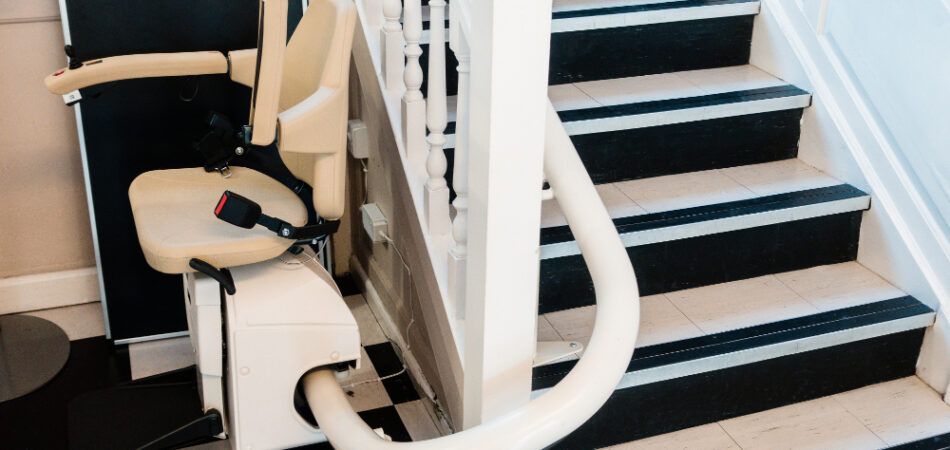
Stairlifts offer a practical solution by providing a motorized seat that travels along a rail installed beside a staircase. These systems help individuals move between floors without having to climb each step, making multilevel homes more accessible. For homeowners throughout Nassau County and Suffolk County, a stairlift can make it easier to maintain familiar routines while reducing the physical demands of using stairs.
Whether someone is planning for aging in place or addressing a recent mobility change, understanding how stairlifts enhance independence can help families make informed decisions about home accessibility.
How Stairlifts Help Long Island Residents Maintain Independence
Stairlifts enhance independence by allowing individuals with limited mobility to move between floors without relying as heavily on family members or caregivers. For Long Island residents who want to remain in their homes, these systems can restore access to bedrooms, bathrooms, laundry areas, and other essential living spaces.
Many homes throughout communities such as Huntington, Smithtown, Garden City, and Massapequa feature multiple levels. While these layouts provide valuable living space, stairs can become an obstacle when mobility changes.
A stairlift helps address several everyday concerns:
- Greater freedom of movement: Residents can access different floors without needing someone to physically assist them on the stairs.
- Reduced physical strain: Stairlifts minimize the effort required to navigate staircases, particularly for individuals experiencing knee pain, arthritis, or muscle weakness.
- Improved confidence: Having a reliable way to travel between floors may reduce anxiety associated with climbing or descending stairs.
- Continued access to familiar spaces: Homeowners can continue using upstairs bedrooms, bathrooms, and other rooms that might otherwise become difficult to reach.
- Support for aging in place: Stairlifts can help older adults remain in familiar surroundings rather than considering relocation solely because of staircase accessibility.
At Long Island Stairlifts, we understand that maintaining independence involves more than simply moving between floors. It also means preserving everyday routines, personal comfort, and the ability to enjoy the home without unnecessary limitations.
Why Stairlifts Are Especially Beneficial for Long Island Homes
Stairlifts are especially beneficial for Long Island homes because many established neighborhoods contain traditional two-story houses, split-level properties, and raised ranches. These layouts often require residents to use stairs multiple times throughout the day, making accessibility an important consideration as household needs change.
In communities such as Levittown, Hicksville, and East Meadow, split-level and multilevel homes are familiar residential styles. Homeowners may need to navigate stairs to reach bedrooms, recreational areas, or lower-level laundry rooms.
Older homes may also have staircase configurations that present additional challenges. Narrow stairways, turns, intermediate landings, and limited space near doorways can influence which stairlift system is appropriate.
Fortunately, stairlifts are available in configurations designed to accommodate different staircase layouts. Straight stairlifts serve staircases without turns, while curved systems can be customized for staircases with bends or landings.
For residents who have spent decades building memories in their homes, installing a stairlift may provide an alternative to relocating or undertaking extensive renovations.
This is particularly meaningful for homeowners who want to remain close to established relationships, familiar neighborhoods, healthcare providers, and community activities.
How Stairlifts Improve Safety and Confidence at Home
Stairlifts improve home accessibility by reducing the need to physically climb and descend stairs, which can be especially challenging for individuals with limited strength, balance difficulties, or joint discomfort. Although stairlifts cannot eliminate every risk associated with mobility limitations, they can reduce exposure to some hazards involved in stair navigation.
Reducing Physical Strain
Climbing stairs requires coordinated movement, balance, and lower-body strength. Individuals experiencing arthritis, chronic pain, or reduced endurance may find this activity increasingly exhausting.
A stairlift allows users to remain seated while traveling between floors. This can help conserve energy for other activities, such as preparing meals, spending time with family, or participating in hobbies.
For Long Island residents managing mobility challenges, reducing unnecessary physical strain can make daily life more manageable.
Supporting Confidence With Everyday Movement
Fear of falling can influence how people use their homes. Someone who feels unsteady on stairs may begin avoiding certain floors or waiting for assistance before moving between rooms.
A properly selected stairlift provides an alternative that may help restore confidence.
Common stairlift safety features include seat belts, obstruction sensors, swivel seats, and controls designed for straightforward operation. Specific features vary by model.
Users must still be able to sit, transfer, and operate the equipment safely. A professional assessment can help determine whether a stairlift is suitable for an individual’s mobility needs.
Helping Families Feel More Comfortable
Family members often worry when an aging parent or relative lives alone in a multilevel home.
While a stairlift does not replace supervision or personal assistance when needed, it can address one significant accessibility concern.
For families throughout Nassau County and Suffolk County, improving staircase accessibility may be an important part of a broader plan for safe, independent living.
Signs That a Stairlift May Be Right for Your Home
A stairlift may be appropriate when climbing stairs becomes physically demanding, uncomfortable, or increasingly difficult to manage safely. Recognizing changes in mobility early gives Long Island homeowners time to explore accessibility options before stairs significantly disrupt daily routines.
Some common signs include:
- Frequently stopping to rest while climbing stairs because of fatigue or discomfort.
- Relying heavily on handrails or another person for support.
- Avoiding upstairs bedrooms or bathrooms because using the stairs feels difficult.
- Experiencing knee, hip, or back pain when moving between floors.
- Feeling anxious or unsteady while descending stairs.
- Recovering from surgery or managing a condition that limits lower-body strength.
- Considering moving furniture or sleeping arrangements to avoid staircase use.
These warning signs do not automatically mean a stairlift is the best solution. The appropriate choice depends on mobility, transfer ability, staircase design, and the individual’s overall needs.
A healthcare professional or occupational therapist may also help determine whether a stairlift is suitable, particularly when balance, cognition, or transfer safety is a concern.
Addressing accessibility needs before they become urgent allows homeowners to compare equipment, evaluate installation requirements, and make decisions without unnecessary pressure.
Choosing the Right Stairlift for Your Long Island Home
Choosing the right stairlift involves evaluating the staircase layout, the user’s mobility requirements, available space, and desired features. Long Island homeowners should focus on selecting a system that fits both the property and the individual rather than assuming one model will work for every situation.
Straight Stairlifts
Straight stairlifts are designed for staircases that travel directly between floors without curves or intermediate turns.
These systems typically use a rail installed along the staircase and may be suitable for homes with traditional straight stairways.
Because the rail configuration is relatively simple, straight stairlifts are generally less complex to install than custom curved systems.
Curved Stairlifts
Curved stairlifts are designed for staircases with turns, bends, or intermediate landings.
They use rails configured to follow the staircase’s specific shape, making them useful for certain split-level homes and properties with more complicated layouts.
Homeowners in areas such as Northport, Rockville Centre, and Port Jefferson may encounter staircase designs that require a customized solution.
Important Features to Consider
Beyond staircase configuration, several features can influence comfort and usability.
Seat height, armrest positioning, footrest design, weight capacity, and control placement should match the intended user’s needs.
Swivel seats can make entering and exiting the chair easier at the top or bottom landing. Folding components may also help preserve staircase clearance when the lift is not in use.
Battery-powered operation is another consideration. Many modern stairlifts use rechargeable batteries that allow limited operation during power interruptions, provided the batteries are charged and the equipment is functioning properly.
Professional measurements and an accessibility assessment help determine which features and configurations are appropriate.
What Long Island Homeowners Should Expect During Stairlift Installation
Stairlift installation generally involves measuring the staircase, selecting an appropriate system, securing the rail, installing the chair, and testing the equipment. Most residential stairlifts attach to the staircase structure rather than requiring extensive wall modifications, although installation requirements vary by system and property.
For homeowners concerned about preserving their home’s appearance, this can be an appealing feature.
The installation process typically begins with a staircase assessment. Measurements help determine rail length, available clearance, landing space, and any obstacles that could interfere with operation.
The installer must also evaluate the user’s needs and the equipment manufacturer’s requirements.
After installation, the system should be tested for smooth travel, proper stopping, obstruction detection, and safe operation.
Homeowners should receive instructions covering controls, charging, seat positioning, emergency procedures, and routine maintenance.
Local building requirements or permit considerations may vary depending on the property, municipality, and equipment involved. Homeowners should confirm applicable requirements before installation.
A properly planned installation can help integrate accessibility improvements into the home without requiring a complete remodeling project.
Maintaining Your Stairlift for Reliable Everyday Use
Maintaining a stairlift involves keeping the equipment clean, checking for visible obstructions, following charging instructions, and scheduling professional service according to the manufacturer’s recommendations. Routine care helps identify potential problems before they interfere with daily mobility.
For Long Island homeowners who depend on their stairlift every day, reliable operation is particularly important.
Dust, household debris, and objects left near the staircase can interfere with safe operation. Keeping the stairway clear helps reduce the likelihood of unnecessary interruptions.
Users should also pay attention to unusual noises, inconsistent movement, warning indicators, or problems with the chair’s controls.
Common maintenance mistakes include ignoring warning signals, attempting unauthorized repairs, or allowing battery-related problems to go unaddressed.
A better approach is to follow the manufacturer’s maintenance instructions and contact a qualified technician when the system behaves unexpectedly.
Homeowners should avoid lubricating, adjusting, or disassembling components unless the manufacturer specifically instructs them to do so.
Regular professional maintenance can help preserve equipment performance and support continued accessibility.
Stairlifts vs. Other Home Accessibility Solutions
Stairlifts are often a practical accessibility option for individuals who can safely transfer into and out of a seated chair but have difficulty climbing stairs. However, they are not the only solution available to Long Island homeowners, and some mobility needs may require a different approach.
For example, relocating a bedroom to the first floor can reduce the need to use stairs, but it may involve sacrificing living space or completing renovations.
A residential elevator may provide additional accessibility for certain households, particularly when transporting a wheelchair between floors is necessary. However, elevators typically involve greater structural considerations and higher installation costs.
Ramps can improve access where elevation changes are relatively small, but they are not generally practical replacements for full interior staircases.
A stairlift may offer a useful balance between accessibility, installation complexity, and preserving the existing home layout.
The right choice depends on the user’s current abilities, expected future needs, available space, and budget.
For households planning to age in place, considering long-term mobility changes is just as important as solving today’s immediate staircase challenges.
Frequently Asked Questions About Stairlifts on Long Island
Can a stairlift fit on a narrow staircase in a Long Island home?
Yes, some stairlifts can fit on relatively narrow staircases, but the available width and clearance must be evaluated. Folding seats, armrests, and footrests may help preserve walking space. A professional measurement is necessary to determine whether a particular staircase can safely accommodate the equipment.
Are stairlifts suitable for split-level homes in Nassau County?
Yes, stairlifts can be suitable for split-level homes in Nassau County, depending on the staircase configuration. Some properties may require multiple straight stairlifts, while others may benefit from a curved system. The best arrangement depends on landing space, turns, and the user’s accessibility needs.
Will a stairlift damage my staircase?
A stairlift typically attaches to the staircase structure using mounting brackets rather than requiring extensive modifications to surrounding walls. Installation usually involves fasteners that leave holes if the equipment is removed. A qualified installer can explain the expected impact on the specific staircase.
Can stairlifts operate during power outages on Long Island?
Many battery-powered stairlifts can continue operating for a limited number of trips during an electrical outage, depending on battery condition, charge level, and equipment design. Homeowners should review the manufacturer’s specifications and understand how the system behaves when household power is unavailable.
How much does a stairlift cost in Suffolk County?
Stairlift costs in Suffolk County vary based on staircase length, straight or curved rail requirements, equipment features, installation complexity, and whether the unit is new or reconditioned. Curved systems generally cost more because they require customized rail configurations. An in-home assessment can help establish an accurate estimate.
Can someone with arthritis use a stairlift?
Yes, many individuals with arthritis use stairlifts to reduce the physical effort involved in climbing stairs. However, users must be able to transfer safely, maintain a seated position, and operate the controls. Individuals with significant pain or limited mobility should discuss their needs with a healthcare professional.
How long does stairlift installation take?
Straight stairlift installations can often be completed within several hours once the equipment is available and the staircase is prepared. Curved systems may require additional manufacturing and installation planning. The overall timeline depends on the equipment, property layout, and any necessary adjustments.
Are stairlifts a good option for aging in place on Long Island?
Yes, stairlifts can support aging in place by helping residents maintain access to multiple floors without relocating solely because of staircase difficulties. They are most appropriate when the user can transfer and operate the equipment safely. Other accessibility improvements may still be needed throughout the home.
Map Section: Stairlift Accessibility Across Long Island
Long Island homeowners have diverse accessibility needs depending on their homes, staircase layouts, and personal mobility requirements. From established neighborhoods in Nassau County to residential communities throughout Suffolk County, stairlifts can help make multilevel living more manageable.
Residents in communities such as Hempstead, Garden City, Huntington, Smithtown, Brookhaven, and Patchogue may benefit from evaluating staircase accessibility as part of their long-term home planning. Whether a property features a traditional two-story layout, a split-level design, or a staircase with multiple turns, professional measurements can help identify suitable options.
Restore Comfort and Independence With Long Island Stairlifts
Maintaining independence at home often begins with making everyday activities easier and more accessible. For Long Island residents experiencing mobility challenges, a stairlift can provide a practical way to navigate multiple floors while preserving the comfort and familiarity of their existing home.
At Long Island Stairlifts, we help homeowners explore staircase accessibility solutions that align with their mobility needs and home layouts. We understand that every household is different, and choosing the right equipment requires careful consideration of safety, comfort, and long-term usability.
If stairs are becoming an obstacle to enjoying your home, contact us to discuss your accessibility needs and explore available stairlift options. Let us help you take the next step toward greater comfort, confidence, and independence at home.